Most authors think media training begins and ends with preparing for TV, radio, or a formal interview—but that mindset belongs to an earlier era of publishing. Today, everything you post or say online is media: an Instagram story, a Goodreads reply, a 30-second TikTok, the way you show up on Zoom, even how you introduce yourself at a book club. Each moment is a micro-stage that shapes how readers, influencers, and journalists perceive you. That’s the good news: you no longer have to wait for exposure to happen to you. You can generate it, steadily and intentionally, by showing up with clarity, consistency, and presence. If you want to learn how to get my book noticed, it begins with treating every interaction as an opportunity to reinforce your brand and message.
1. Everything Is Media Now: The New Visibility Landscape for Authors
Today’s authors operate in a media environment where discovery happens through hundreds of tiny interactions rather than a handful of big ones. Instead of relying on traditional publicity—high-budget TV spots, major print features, or radio interviews—authors now gain visibility through everyday touchpoints. A casual Instagram story, a thoughtful Goodreads answer, a polished Zoom presence, or a behind-the-scenes TikTok can introduce your work to more readers than legacy media ever could. This democratization of media is why authors who show up consistently, even imperfectly, often outperform those waiting for “the big break.”
Studies show that more than 60% of readers discover new books through online interactions—not ads or formal reviews. That means your presence is part of your promotional strategy, whether you intend it or not. When you treat each small platform as a meaningful stage, you elevate your visibility while building trust organically. Consistency outperforms perfection, and intentionality outperforms volume.
2. Master the Reader Sound Bite: Your Most Powerful Visibility Tool
One of the fastest ways to get your book noticed is to develop a reader-friendly sound bite—a short, natural way to explain your book without rambling or reverting to jargon. Many authors freeze when asked, “What’s your book about?” because they’re caught between giving too little and giving everything. A reader sound bite solves this by giving you a clear, comfortable line you can use across any medium: podcasts, social captions, interviews, bios, conferences, and impromptu conversations.
A strong sound bite includes three pieces:
-
The hook that matters to readers
-
The central promise or problem your book addresses
-
A touch of your voice or tone
When practiced enough to feel natural—not memorized—you immediately appear more confident, more engaging, and more credible. This is one of the most overlooked how to get my book noticed strategies because it removes friction: people listen longer, care faster, and remember you better when you’re concise.
3. Authenticity Attracts—But Preparation Sustains It
Authenticity is one of the most influential factors in modern book marketing, but many authors misunderstand what authenticity actually means. Readers aren’t asking for unpolished chaos; they’re asking for real glimpses of who you are and why your work matters. A heartfelt signing in a grocery store or a candid moment at your writing desk can create more emotional connection than a high-budget promotional video, if the moment reflects sincere energy.
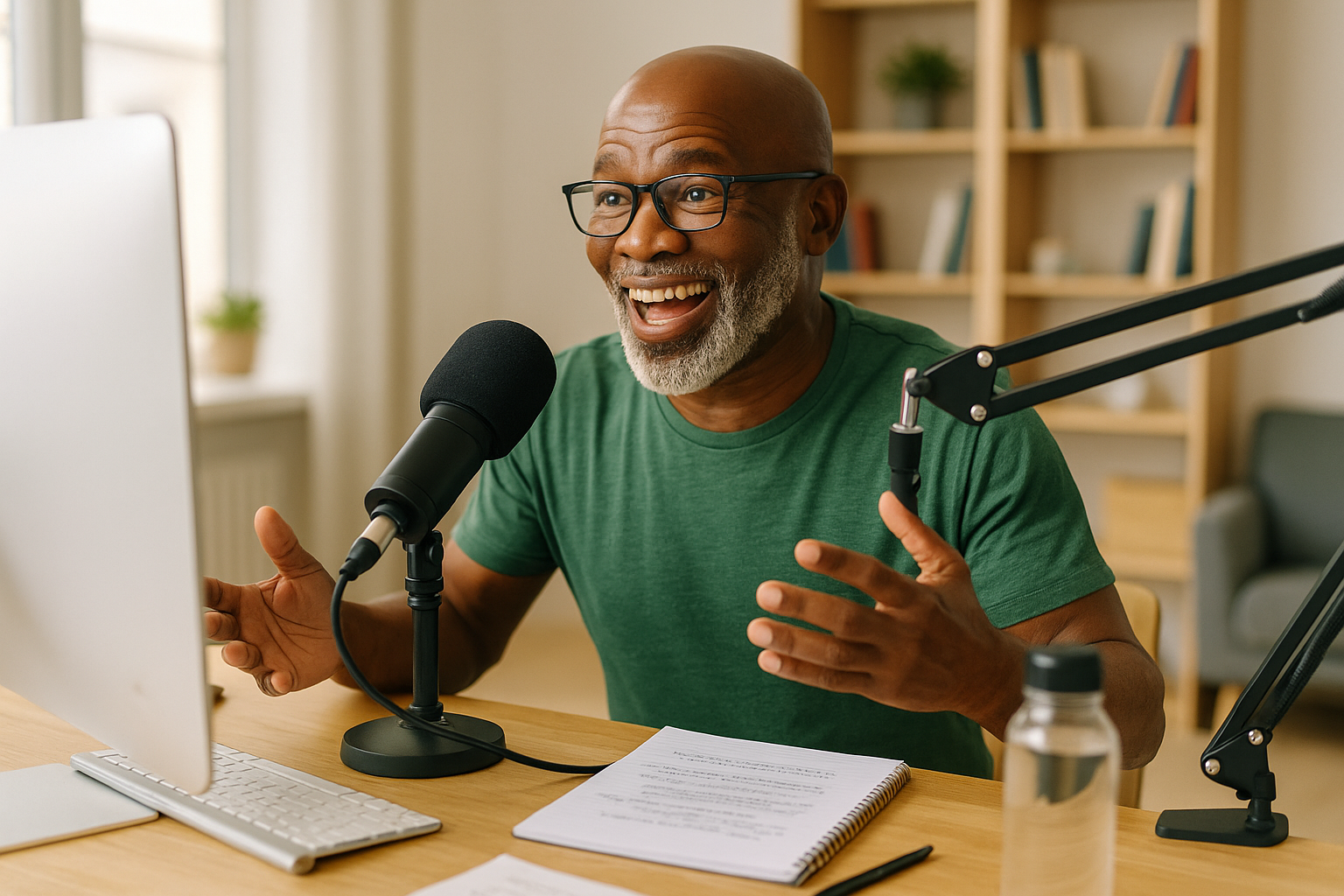
However, authenticity does not mean winging it. Video amplifies every detail—your tone, your posture, your surroundings—and these cues subtly communicate professionalism. A simple setup with steady lighting, clear audio, and an uncluttered background instantly elevates how audiences perceive you. Energy matters, too: if you show up scattered, rushed, or distracted, people feel it. Treat every virtual appearance like a small job interview. When you’re prepared, even spontaneous moments come across as confident and cohesive.
4. Relationships Drive Results: Engagement Over Exposure
Getting your book noticed isn’t about broadcasting to the largest audience possible—it’s about forming meaningful connections that compound over time. Before you pitch a podcast, reply to a Goodreads comment, or approach an influencer, take time to understand their content, tone, and audience. Generic outreach blends into the noise. Personalized engagement stands out instantly.
Hosts and influencers consistently report that only about 10–20% of incoming pitches feel genuinely tailored. That means your thoughtful approach automatically puts you in the top tier. When you research a show, reference a recent episode, or respond thoughtfully to a reader’s comment, you’re not just promoting—you’re building a relationship. This relational foundation determines whether people want to support you, collaborate with you, or feature your book.
Inevitably, negativity will appear along the way. Responding with calm professionalism is the difference between strengthening your reputation and harming it. Thoughtful criticism is worth acknowledging; bad-faith comments are not. For book reviews, resist replying directly. Upvote what’s useful, move past what isn’t, and stay focused on delivering value rather than defending your work.
5. Handle Tough Questions With Grace: Stay Anchored, Not Reactive
If your book touches on controversy—or even nuanced themes—you should expect direct questions. This is not a threat; it’s an opportunity. Tough questions allow you to demonstrate clarity, conviction, and leadership, all of which make an author more memorable. The key is preparation. Before any interview or appearance, write down your three anchor points: the idea you stand for, a story that illustrates it, and a practical takeaway for the listener.
Anchors prevent rambling and keep you grounded when the conversation shifts unexpectedly. Professional communicators—from journalists to CEOs—use this technique to stay on message without sounding evasive. The more you practice returning to your anchors, the more confident you’ll feel. Confidence, in turn, is magnetic. Audiences listen more fully when the person speaking appears sure of themselves and aligned with a core message.
6. Momentum Compounds: Small Media Leads to Big Visibility
A common misconception is that only large platforms—major podcasts, nationally syndicated media, or high-follower influencers—can move the needle. But data shows that small, niche platforms with highly engaged audiences often outperform big accounts with passive followers. A targeted podcast with 800 devoted listeners can generate more click-through and sales activity than a massive but scattered audience.
This is why saying “yes” to small media opportunities is one of the most powerful how to get my book noticed strategies available. Every interview becomes a shareable clip. Every clip becomes content for social platforms. Every appearance sharpens your messaging and strengthens your confidence. Momentum compounds when you stop waiting for massive exposure and start leveraging the dozens of bite-sized media moments available to you every week.
Final Takeaway: Visibility Is Built, Not Bestowed
Authors no longer have to wait for traditional media to grant them attention. Today, every platform you touch is an opportunity to shape your narrative, reinforce your message, and build trust. Media readiness is not about being perfect—it’s about being intentional. When you show up consistently, prepare thoughtfully, and refine your messaging with each appearance, you create a presence that readers, influencers, and journalists naturally gravitate toward.
If you want to understand how to get my book noticed, it begins with the mindset that you are media—not someday, not after your big break, but right now.
Resources & Free Downloads
How to create an elevator pitch that draws in more reader interest.
Check out our tips for avoiding author burnout.
The game-changing update that links Goodreads and Amazon.
Let’s talk all things media coverage and how to get it.
Marketing versus sales and why you have to understand the difference.
Let’s talk Amazon metadata and how it serves your sales goals.
How to set realistic dreams for your book and make them happen.
How to become a thought leader the media’s interested in.
Don’t make this common Amazon ads mistake.
Why you need to prep for holiday sales in the summer.
Is your Amazon author bio costing you sales?
How Amazon reviews are changing for readers, and how you can help.
Check out all the episodes of our book promotion podcast anywhere you listen to podcasts!
Follow us on Instagram for book marketing tips and some much-needed levity
This is such a strong reframing of what “media training” really means today.