
When authors think about book marketing, they usually focus on the obvious places readers discover books. Amazon. Bookstores. Social media. Podcasts. Advertising.
Libraries often become an afterthought.
That’s surprising, because libraries remain one of the most trusted places readers discover new books. They introduce authors to people who may never have searched for their title online, they create opportunities for community engagement, and they can continue putting books into readers’ hands long after the excitement of launch week has faded.
After more than 25 years working with authors, we’ve found that library marketing is one of the most underused strategies available, particularly for authors who want to build a long-term career rather than generate a short burst of sales.
The biggest mistake authors make is thinking libraries are simply another place to stock books.
They’re much more than that.
Libraries are community hubs. When you approach them that way, the opportunities become much larger than a single copy sitting on a shelf.
Prefer to Listen?
This article was adapted from an episode of the Book Marketing Tips & Author Success Podcast. Press play above, or subscribe on Apple Podcasts .
Libraries Help Readers Discover Authors They Weren’t Looking For
One of the biggest challenges in book marketing is helping readers find your book in the first place.
Online retailers depend heavily on search behavior, recommendations, algorithms, and advertising. Libraries work differently.
Readers browse displays.
They attend programs.
They ask librarians for recommendations.
They join book clubs.
They discover books because someone they trust suggested them.
That trust is incredibly valuable.
When a library chooses to add your book to its collection, it’s making a statement that your work belongs alongside the other books it recommends to its community. That creates a level of credibility that’s difficult to replicate through advertising alone.
Libraries also introduce your work to readers who may never have taken a chance on an unfamiliar author otherwise. A borrowed book often becomes a purchased sequel, a recommendation to a friend, or the beginning of a long-term relationship with your work.
Start Close to Home
Many authors immediately think about getting their books into major city library systems.
There’s nothing wrong with aiming high, but some of the best opportunities begin much closer to home.
If you live in a small town, start there.
If your community doesn’t have its own library, look at the nearest county or neighboring town.
Local connections matter.
Libraries are deeply invested in serving their communities, and local authors naturally become part of that mission. Community members often enjoy supporting local writers, and librarians appreciate opportunities to showcase people who have a genuine connection to the area.
That local relationship can also create momentum. One successful event or recommendation often leads to introductions at neighboring branches or library systems.
Like many aspects of book marketing, it’s easier to expand outward than to start everywhere at once.
Become Part of the Community Before You Ask for Something
One of the best pieces of advice we give authors is simple:
Don’t let your first interaction with a library be a sales pitch.
If you don’t already have a library card, get one.
If you haven’t visited your library in years, spend some time there.
Attend a program.
Browse the displays.
Talk to the staff.
Learn what kinds of events the library already hosts and what interests its patrons.
Libraries do far more than lend books. Many offer workshops, children’s programming, local history presentations, technology classes, community discussions, art exhibits, and book clubs. Understanding those programs helps you see where your own expertise or book might naturally fit.
It also demonstrates that you’re interested in supporting the library’s mission, not simply asking for shelf space.
Relationships built over time almost always lead to stronger opportunities than cold introductions.
Think Beyond Getting Your Book on the Shelf
Many authors approach libraries with one goal:
“I’d like you to carry my book.”
That’s certainly one possibility, but it’s far from the only one.
Libraries are always looking for engaging programs that benefit their communities.
Depending on your background and the subject of your book, you might offer:
- An author talk
- A writing workshop
- A Q&A session
- A historical presentation
- A business seminar
- A wellness discussion
- A genealogy workshop
- A cooking demonstration
- A local history event
Fiction authors can participate in panel discussions, genre programs, or collaborative author events. Nonfiction authors often have opportunities to teach or speak about the topics they’ve written about.
When you position yourself as someone who adds value to the library’s programming, the conversation becomes much broader than simply asking them to stock your book.
Make It Easy for Librarians to Say Yes
Librarians are busy professionals who evaluate countless requests throughout the year.
The easier you make the decision, the better.
That starts with understanding what information they actually need.
Your Amazon description isn’t enough.
Instead, prepare a professional one-sheet or digital media kit that includes:
- Book title and ISBN
- Genre
- A concise hook
- Comparable titles
- Intended audience
- Brief author bio
- Local connection
- Speaking topics, if applicable
- Relevant awards, reviews, or endorsements
- Contact information
If you’ve spoken at bookstores, conferences, schools, or community organizations, include those experiences as well. They help demonstrate that you’re comfortable presenting to audiences and understand how to engage readers.
Think of your materials as answering one question:
“Why would this benefit our community?”
Every Library Has Its Own Process
One mistake authors sometimes make is assuming every library acquires books the same way.
They don’t.
Some purchase books through established distributors.
Some accept donations.
Some rely heavily on professional reviews from publications such as Library Journal or Booklist.
Others have specific acquisition policies based on local demand or available budgets.
Before reaching out, spend a few minutes reviewing the library’s website. Many systems clearly explain how they evaluate new titles, who to contact, and what information they need.
Following those guidelines demonstrates professionalism and saves everyone time.
It also shows respect for the library’s process, something librarians genuinely appreciate.
Don’t Overlook Friends of the Library Groups
One of the most overlooked opportunities for authors isn’t the library itself.
It’s the Friends of the Library organization.
These volunteer groups often help organize events, raise funds, support programming, and connect authors with readers.
Some even provide speaker budgets or coordinate author series throughout the year.
Building relationships with these groups can open doors that might not be obvious if you’re only contacting the library directly.
They also tend to have strong community connections, making them valuable partners for future events and collaborations.
Library Marketing Supports Every Other Part of Your Author Platform
One library event rarely changes an author’s career overnight.
That’s not the point.
The value comes from everything that grows out of it.
Photos from events strengthen your website.
Reader interactions create newsletter content.
Speaking engagements build confidence.
Local media may cover your appearance.
Community partnerships create future invitations.
Libraries introduce your work to new readers who recommend it to others.
Those opportunities compound over time.
Like many of the most effective marketing strategies, library outreach works because it creates relationships rather than one-time transactions.
Think Long-Term
The strongest library marketing isn’t built around asking a library to carry your book.
It’s built around becoming a valued part of the community the library serves.
Authors who volunteer, attend programs, support local events, collaborate with librarians, and create meaningful experiences tend to find that opportunities continue appearing long after the first introduction.
That’s because libraries are fundamentally about connection.
The more genuinely you contribute to that mission, the more likely your book becomes part of it.
And in a publishing industry where readers have more choices than ever before, trusted community connections remain one of the most valuable marketing assets an author can build.
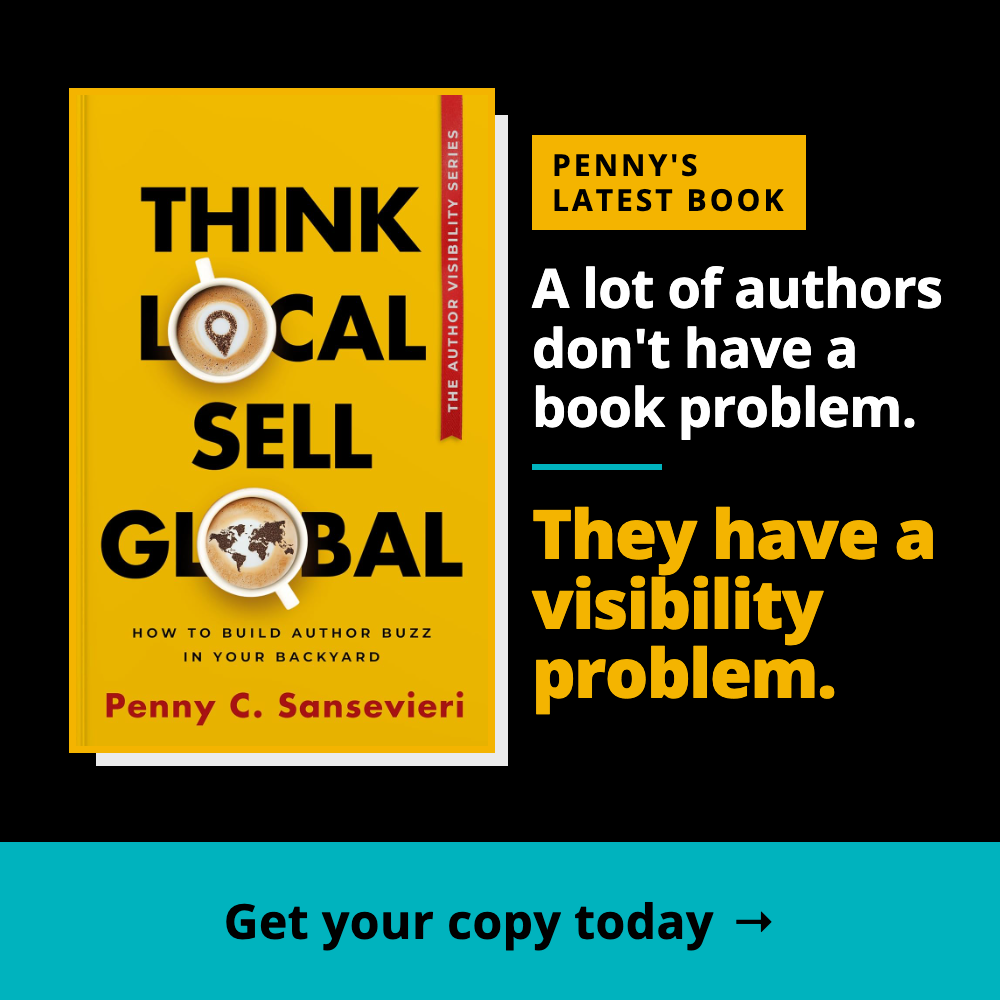
Be sure to check out Penny’s book, Think Local Sell Global for an easy-to-follow action plan.
The Right Marketing Strategy Depends on Your Goals
After more than 25 years working with authors, we’ve learned that there are very few one-size-fits-all answers in book marketing. What works for one book may not work for another, and the key is understanding where to focus your time, energy, and resources for the greatest impact.
If you’d like more practical insights, subscribe to the Book Marketing Tips & Author Success Podcast, where we share honest conversations about publicity, platform building, book promotion, and what’s actually working for authors today.
If you’re ready for a more personalized discussion about your book and your goals, contact Author Marketing Experts. We’d be happy to learn more about your book and help you determine which marketing strategies make the most sense for your publishing goals.
0 Comments